Millions of people across India go to bed hungry every night. While many of us enjoy three meals a day, countless children, elderly people, daily wage workers, homeless individuals, and low-income families struggle to afford even one nutritious meal. Hunger is more than an empty stomach—it affects health, education, employment, and the overall well-being of individuals and communities.
Food is a basic human need, yet for millions of people, access to nutritious meals remains uncertain. Poverty, unemployment, illness, inflation, and unexpected emergencies often force families to skip meals or survive on food that lacks proper nutrition. As a result, children suffer from malnutrition, senior citizens experience declining health, and families struggle to break free from the cycle of poverty.
At ThixIndia, we believe that no one should have to suffer from hunger. Through our Food Donation Program, we provide nutritious meals, dry ration kits, and emergency food assistance to poor and needy families, children, senior citizens, and vulnerable communities. Every donation helps us reach more people, distribute healthy meals, and bring hope to those who need it most.
Whether you donate once or become a regular supporter, your generosity creates lasting change. Together, we can fight hunger, nourish lives, and build a healthier, more compassionate India.
Food is essential for survival, but it is also the foundation of good health, education, and economic stability. Without adequate nutrition, people cannot work effectively, children struggle to learn, and patients recover more slowly from illness.
Hunger affects every aspect of life. Families facing food insecurity often experience poor health, increased stress, reduced productivity, and limited opportunities for growth. Children who attend school on an empty stomach find it difficult to concentrate, while elderly individuals with inadequate nutrition become more vulnerable to illness.
Food donation is one of the simplest and most impactful ways to improve lives. A single meal can provide strength, restore hope, and remind someone that they are not alone.
By supporting food donation initiatives, donors help ensure that vulnerable individuals receive the nourishment they need to lead healthier and more dignified lives.
India has made remarkable progress in many areas, yet hunger and malnutrition continue to affect millions of people. Economic inequality, rising food prices, unemployment, natural disasters, and health emergencies contribute to food insecurity across urban and rural communities.
Many families are forced to make difficult choices between buying food, paying for medical treatment, or supporting their children's education. Daily wage workers, migrant laborers, homeless individuals, and elderly people without family support are among those most affected.
Children are especially vulnerable because poor nutrition impacts their physical growth, cognitive development, and academic performance. Similarly, senior citizens require balanced diets to maintain their health, while patients recovering from illness depend on nutritious food to regain strength.
Food donation programs play a vital role in addressing these challenges by providing immediate relief and supporting long-term community well-being.
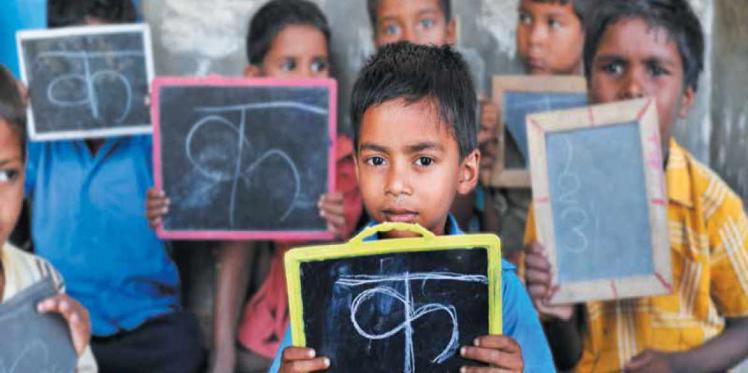
Children require nutritious food to grow, learn, and develop properly. When they do not receive balanced meals, they are at greater risk of illness, poor concentration, and reduced school attendance.
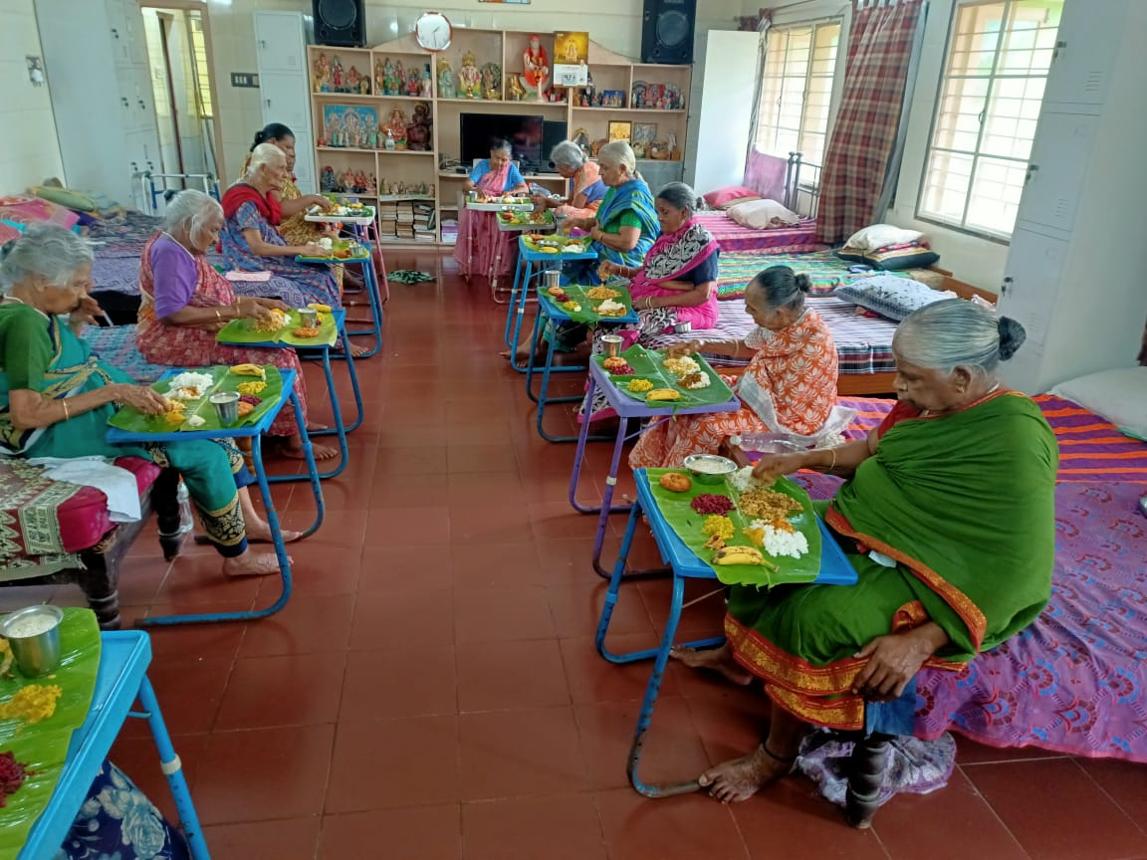
Many elderly individuals live alone or depend on limited financial resources. Some are unable to prepare meals, while others struggle to afford healthy food.
Providing regular meals to elderly people is an act of compassion that improves both physical and emotional well-being.
For families living below the poverty line, even basic groceries can become unaffordable. Rising living costs often force parents to reduce meal portions or skip meals so their children can eat.
When families have access to nutritious food, they can focus on education, employment, and building a more stable future.
Food donation creates positive change for both individuals and communities. Every meal shared helps reduce hunger while promoting health, dignity, and social responsibility.
The most immediate benefit of food donation is reducing hunger. Nutritious meals provide energy, improve health, and help individuals meet their daily nutritional needs.
Balanced meals strengthen immunity, support healthy growth, and reduce the risk of diseases associated with malnutrition.
Children who receive regular meals are more likely to attend school consistently, concentrate in class, and perform better academically.
Food donation encourages compassion and community involvement. Volunteers, donors, and local organizations work together to support vulnerable families and build stronger communities.
Access to food is a fundamental human right. By ensuring that people have enough to eat, we help them live with dignity, confidence, and hope.
Food donation programs reach people from all walks of life who are facing financial hardship or unexpected challenges.
Children from low-income families receive nutritious meals that support their health, education, and future development.
Families experiencing poverty benefit from food assistance that helps reduce financial stress and improve household nutrition.
Elderly individuals receive balanced meals that promote better health and improve their quality of life.
Nutritious food supports recovery by providing essential vitamins, minerals, and protein needed for healing.
Workers with irregular income receive food assistance during periods of unemployment or financial hardship.
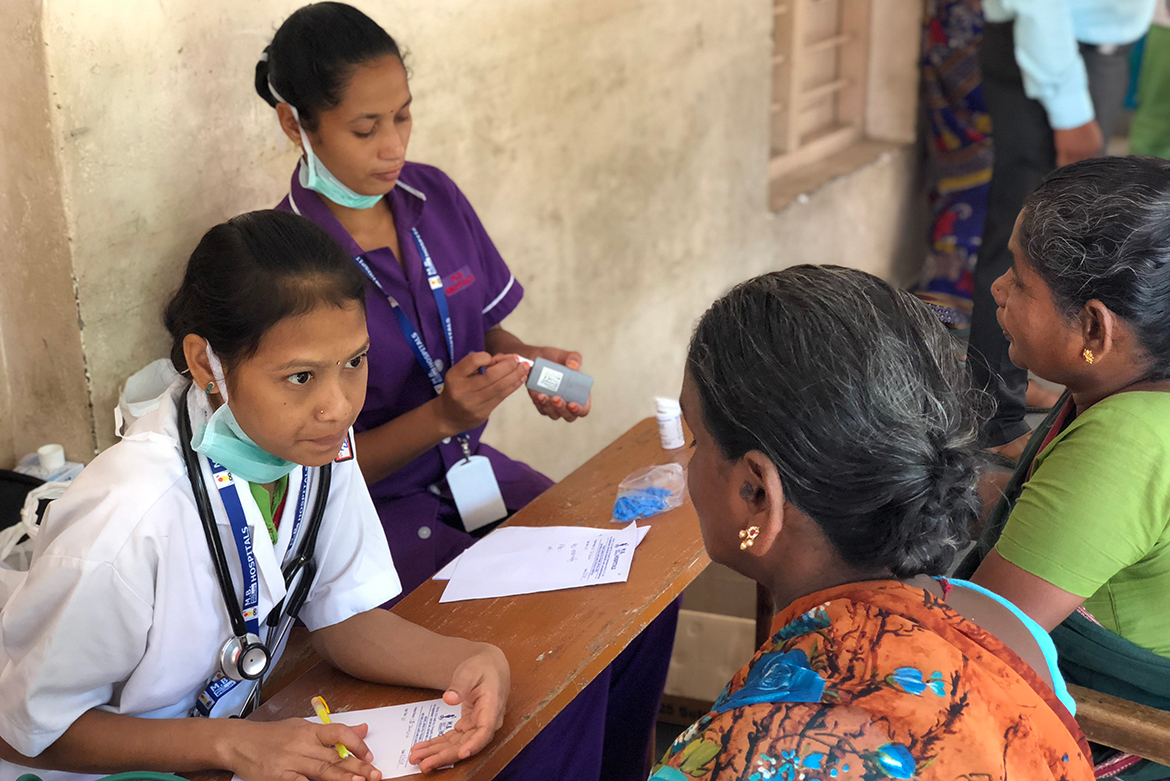

Donation to Thixindia are tax exempted under section NITI Aayog | 12A | 80G Thixindia is reducing the burden on the health system with make-shift dedicated COVID-19 health centres